 Tony Passwater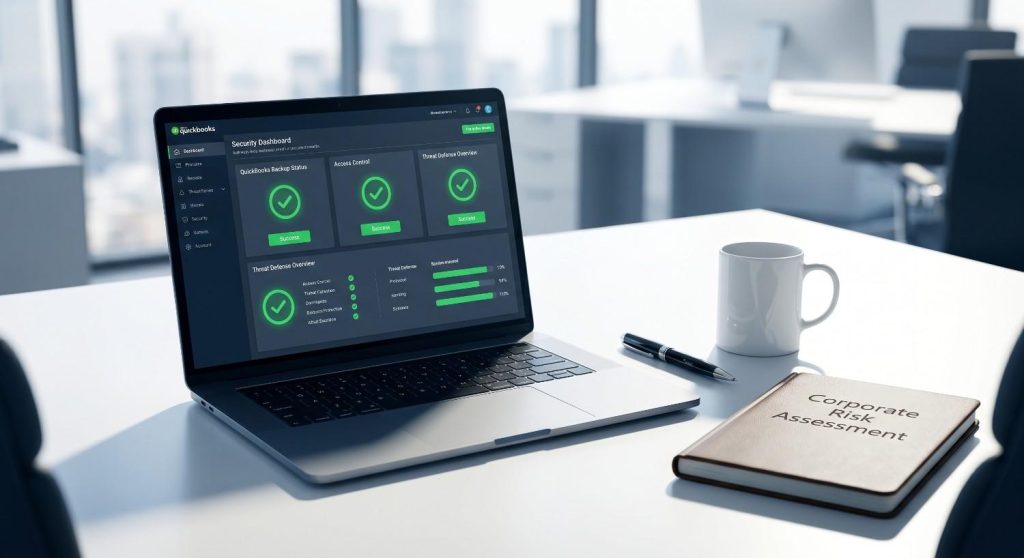
Secure Your QuickBooks Data
Protecting Your Operations, Financial Ledgers, and Proprietary Customer Data
Your QuickBooks company file contains some of the most sensitive information on your computer. You may have customers’ credit card numbers and employees’ Social Security numbers, as well as your business’s primary accounting data. An intruder who captured all that data could create tremendous problems for you and a lot of other people.
That’s probably the worst-case scenario. But other situations could also spell disaster for your business, involving the loss of your company data through internal fraud, encryption viruses, external hacking, or simple technical failures.
We can’t overstate the vital importance of protecting your QuickBooks company file—especially your accounting, customer, and payroll information. Whether someone steals it or it becomes inaccessible due to a system crash, once it’s gone, it’s gone. Keeping your business going after such a loss would be very difficult—maybe even impossible.
Here is what we suggest to prevent that from happening.
Internal Safeguards
No business owner wants to believe that his or her employees could use their QuickBooks access to commit fraud. But it happens. Your company file contains credit card and checking account data that could be used for nefarious purposes. As we have advocated in many ways, you can restrict user access to specific areas and actions of QuickBooks.
The example below represents QuickBooks Pro and Premier configurations. While the limitations are basic compared to Enterprise, implementing them is an essential first line of defense.
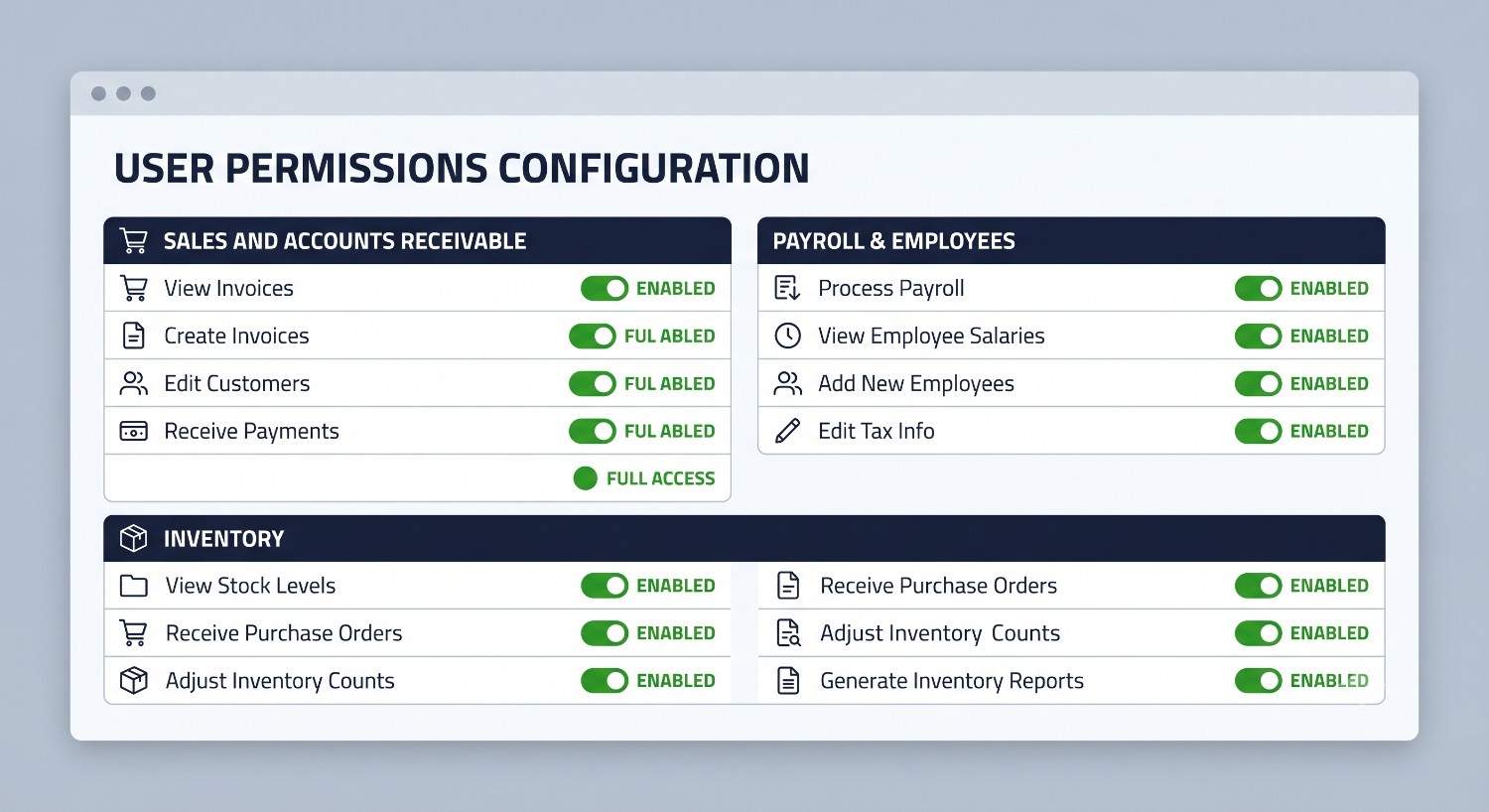
Figure 1 – You can limit your employees who have QuickBooks access to certain areas and activities.
To get started, open the Company menu and select Set Up Users and Passwords > Set Up Users. The User List window will open. It should have at least one entry there initially: Admin.
We often see clients using the main Admin login for daily transaction processing, but this is a dangerous practice. The Admin user is designed to be used only for specific administrative tasks:
Setting Up New User Accounts & Permissions
Selecting Global Company Preferences
Importing and Exporting Core Lists
Setting Firm Closing Dates for Month-End Lockouts
This is one of the main reasons we emphasize the proper structural setup of QuickBooks. Once the company file is active, the Admin profile should only be accessed for high-level maintenance and monthly closing procedures.
Create Your User Accounts
Even if you are currently the only person using QuickBooks, it is still best practice to create a separate user login for daily transaction processing. The Admin password should only be known by the owner of the business or their designated trustee.
To begin, click Add User and enter the employee’s name and password in the next window that opens, then click Next.
💡 Sizing Your License Requirements:
Your QuickBooks license limits you to a specified number of simultaneous users. If you’re not sure how many you’re allowed, click F2 to open the Product Information page. The number of active user licenses you have purchased appears in the upper left. Note that this limits concurrent logins; you can create as many unique username profiles as needed.
On the next page of this wizard, click the button in front of Selected Areas of QuickBooks. The following screens will let you define that employee’s specific access permissions in operational silos like Sales and Accounts Receivable, Inventory, and Payroll and Employees. When you’ve clicked through every screen and reviewed the summary displayed, click Finish. Your user will now be able to sign in and access only the areas you specified.
Stop Relying on Portable Backups
QuickBooks has the ability to back up data to portable drives. While this is useful in some situations, localized manual backups do not protect your business from total system failure, physical building fires, hardware theft, or active encryption viruses.
To ensure true security, your data must be managed by an automated, secure cloud backup utility. We have evaluated numerous market options and found that many are too complicated or place too much responsibility on the user in the event of a data loss. For this reason, we highly recommend Critical Backup Solutions.

Figure 2 – Secure Automated Cloud Storage Integration
This solution not only protects your QuickBooks data, but automatically backs up all of your company’s critical files and documents with up to 10 historical versions for maximum ransomware protection.
Keep Your Operating System & Applications Updated
Software companies release regular updates for more than just adding new features or fixing bugs. These patches often refresh your software to secure it against newly discovered threat vectors. Do not ignore prompts to update your antivirus applications, operating systems, and QuickBooks itself.
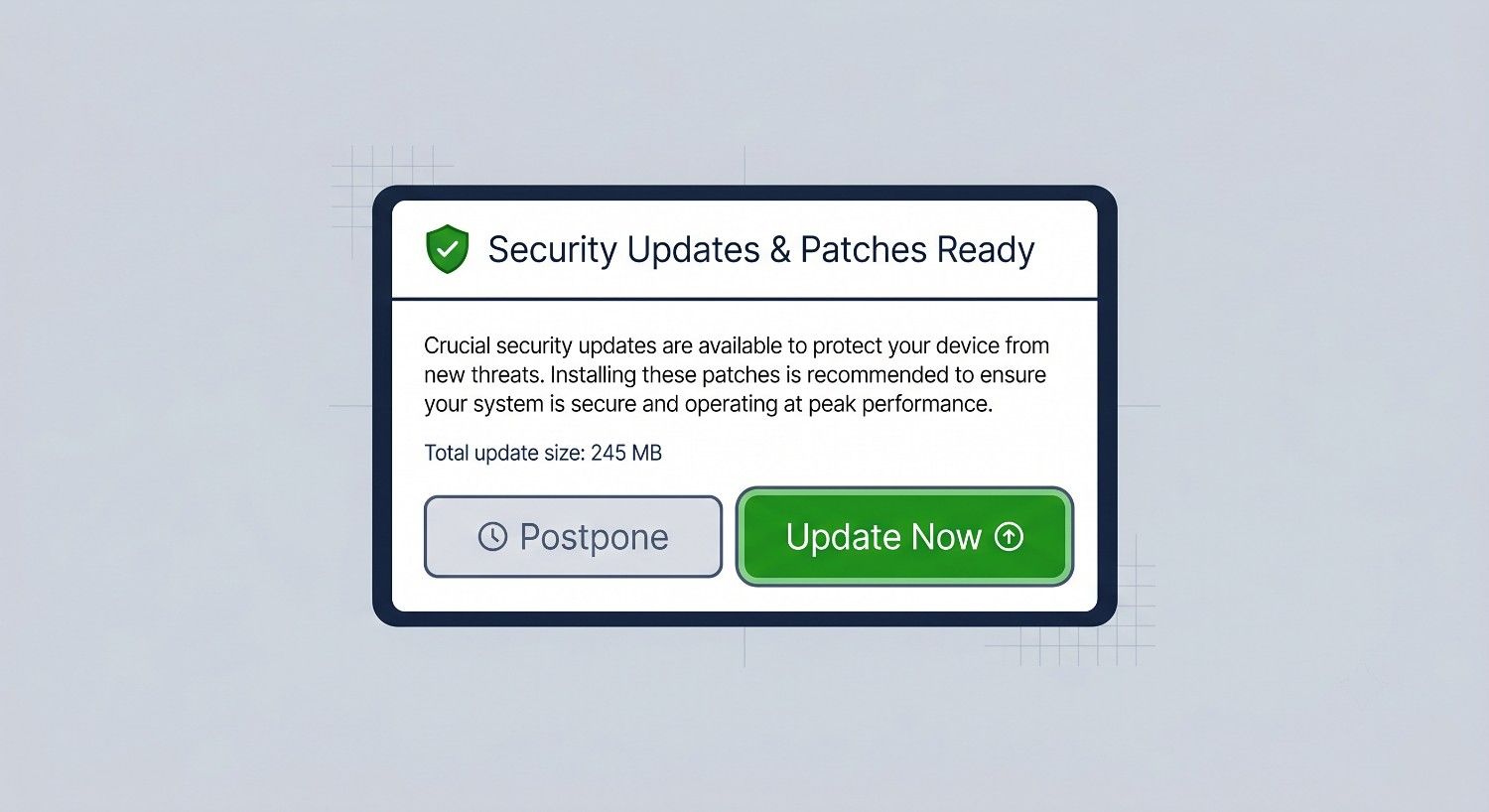
Figure 3 – Don’t ignore critical software security updates.
Keep Your Networks Safe
Just as a cold virus spreads around your office, computer viruses and malware can easily hop between unpatched machines on the same local network. Take active steps ahead of time to isolate your systems and prevent network-wide infections:
Discourage Excessive Personal Browsing: Create a firm acceptable-use policy for company-issued workstations, tablets, and smartphones, as well as any personal devices using your business Wi-Fi network.
Restrict Public Networks: Prohibit employees from connecting work computers or laptops to unsecure public Wi-Fi networks without an approved VPN utility.
Ban Peer-to-Peer & Free Streaming Software: Online file-sharing platforms and unvetted streaming programs represent some of the highest malware threat vectors on the internet. In addition, installing resource-heavy media management software severely degrades Windows database performance.
Minimize App Installations: Employees should require approval before downloading applications onto business-issued smartphones and mobile devices.
Use Active Monitoring Software: If full-service managed IT is outside your budget, install lightweight, reliable endpoint detection software to alert you to early network vulnerabilities.
Use Common Sense
You can fight data loss and theft by remaining cautious. Be diligent about backups, and if you use a local physical storage device, never leave it unattended in the office. Secure cloud-based systems like Critical Backup Solutions are infinitely safer and completely automated.
Additionally, shred all papers containing sensitive corporate or client information, log out of QuickBooks whenever you leave your desk, and remain aware of who may be standing near you looking over your shoulder.

We take data security very seriously in our own offices, and we strongly encourage you to do the same. If you are concerned about your current data protections, contact us today to build a custom security roadmap together.
Regardless of whether you run a for-profit or non-profit organization—be it a service shop, general contractor, or local church—you must always strive for best-in-class financial practices. Taking the time to “steer your ship” in the right direction relies entirely on obtaining accurate and timely information from QuickBooks.
We frequently see three primary reasons businesses fail to get reliable, timely financial reports from QuickBooks:
Outdated File Setup: The initial configuration and Chart of Accounts were never set up correctly to match your operational metrics.
Insufficient Training: You and your staff have not been properly trained on how to use QuickBooks features correctly.
Lack of Process Commitment: The business has not made the operational commitment to complete month-end closings on time, depriving managers of actionable data.
Our company, AEII (QuickBooks R Us), is dedicated to helping small businesses achieve their operational goals by providing the structured training, file clean-ups, and security integrations they need to succeed.
Ensure Your QuickBooks Databases & System Files Are Secure
Our team at AEII, QuickBooks R Us, helps small business owners audit their current local servers, identify critical folder paths, and deploy high-speed automated backup protocols. Let us help you safeguard your business assets.
📅 Book Your Free Backup Audit
Free 30-Min Consultation • No Obligation
We have a large library of helpful QuickBooks Tips & Tricks, you can catch up on past issues by Clicking Here.
We also have a free self-help site with helpful procedures and videos at: QbHelp.us
Thank you, and I look forward to sharing more small business and QuickBooks Tips and Tricks with you in the future…